Alaska
Choosing the Right Alaska Cruise: Route, Ship, and Season
Regulated waters, glacier permits, and embarkation ports shape the week. How to match route, ship style, and timing to the Alaska you want.
Alaska is not a destination where every cruise line delivers the same journey behind a different logo. The waters are heavily regulated, the geography dictates your view, and port times can make or break an excursion. Choosing the right sailing comes down to three fundamental decisions: where the ship sails, which glacier it enters, and how you want to experience the wilderness.
1. The Route: Round-Trip vs. One-Way
Your embarkation port shapes the entire rhythm of the week:
Round-Trip Seattle: The simplest option for domestic airfare and familiar terminal logistics. The trade-off is open-ocean transit: ships typically route west of Vancouver Island across open Pacific waters, which can bring swells and fewer scenic channel views on sea days.
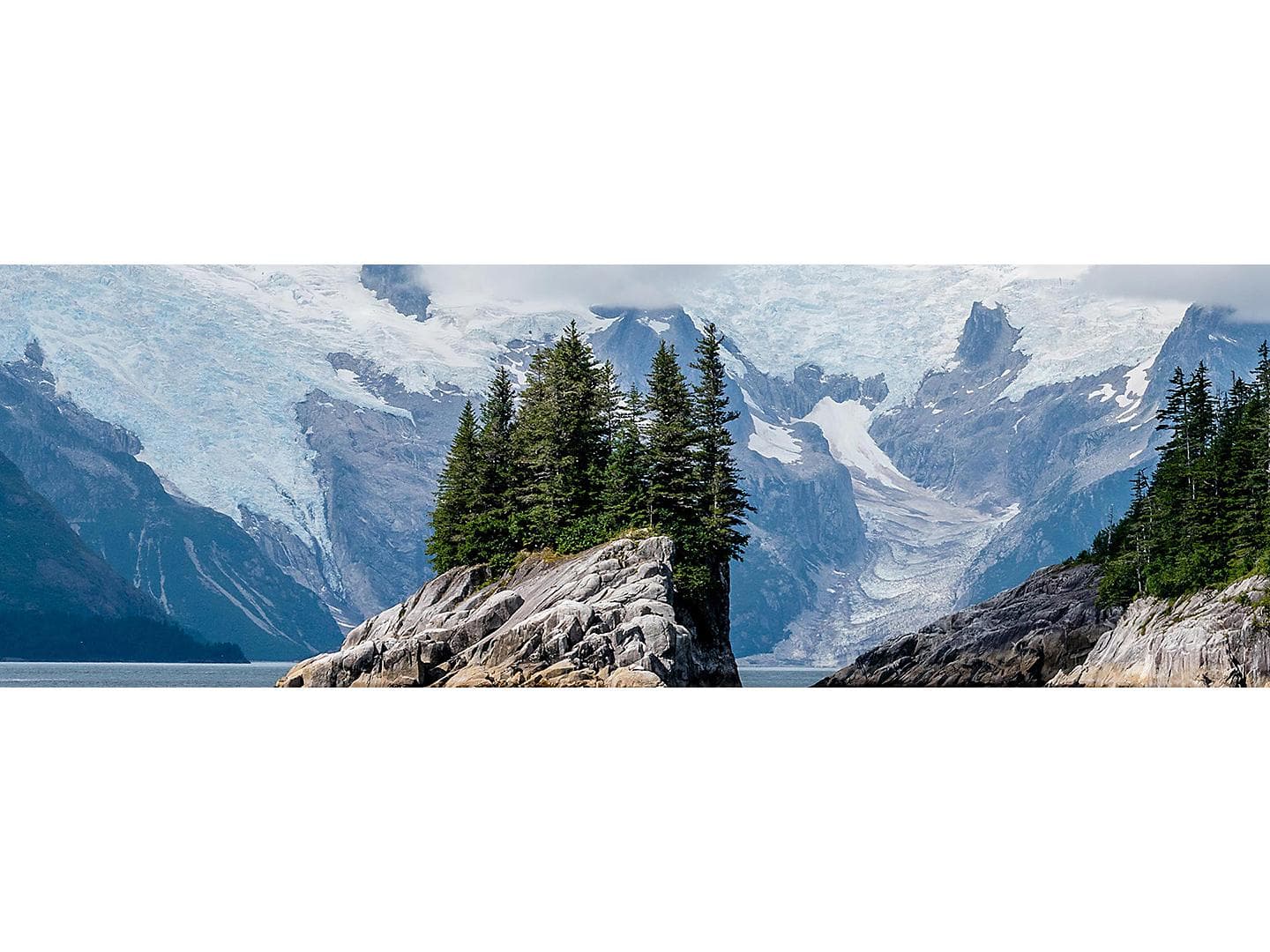
Round-Trip Vancouver: Ships sailing round-trip from Vancouver travel the true, sheltered Canadian Inside Passage on both legs. Waters are notably calmer, and dense evergreen coastlines stay in sight for hours. It requires a passport and international flights, but the maritime scenery is consistently superior.
One-Way (Northbound or Southbound): Typically running between Vancouver and Seward or Whittier (the ports serving Anchorage). You never retrace your path, port days are often longer, and it opens up the option to add an interior land tour into Denali National Park or Kenai Fjords.
2. Glacier Access: Permits and Route Highlights
Not every ship visits the same glaciers, and scenic cruising days are often the centerpiece of an Alaska itinerary:
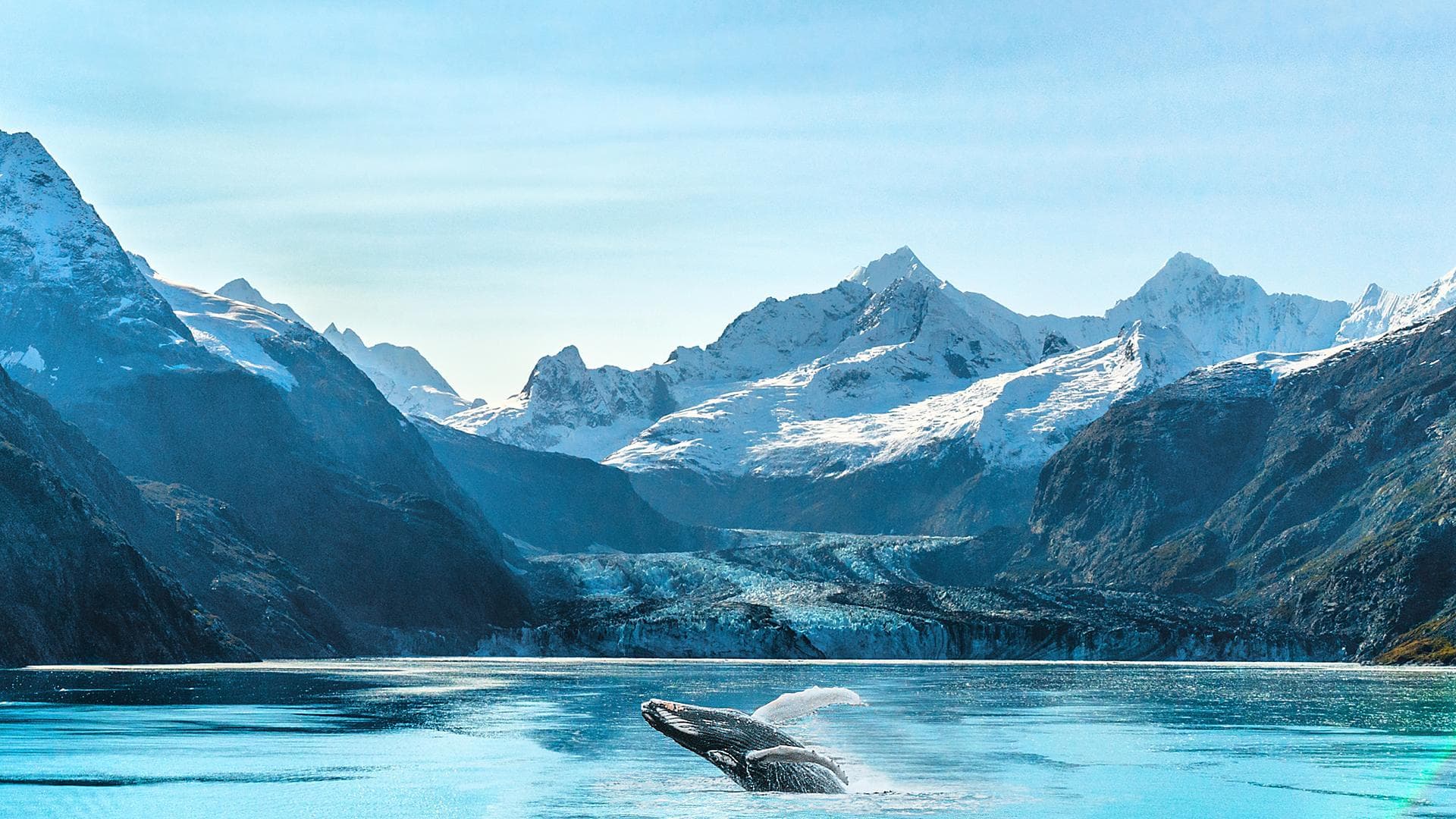
Glacier Bay National Park: The gold standard for scenic sailing. The National Park Service permits only two large cruise ships per day, accompanied by boarding park rangers who narrate the landscape and wildlife. If entering Glacier Bay is non-negotiable, you must select a cruise line holding long-standing park concessions (primarily Holland America and Princess, alongside select sailings on lines like Norwegian and Cunard).
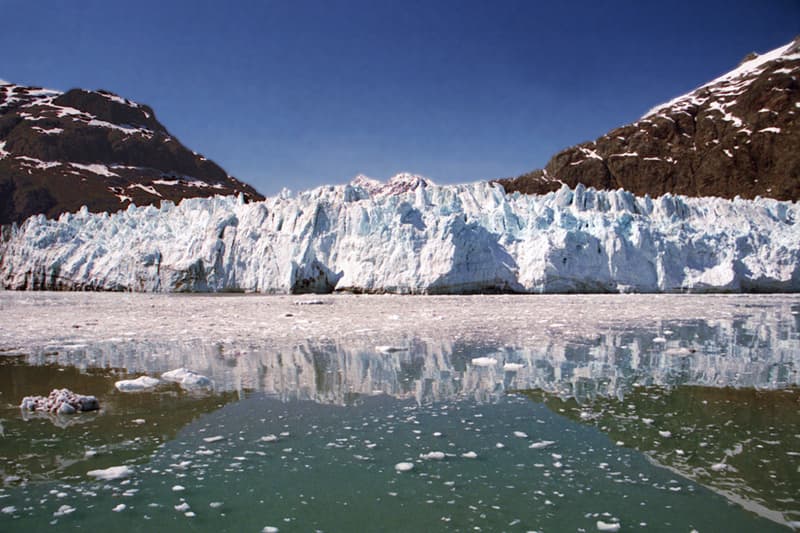
Hubbard Glacier: Located in Disenchantment Bay, Hubbard is North America's largest tidewater glacier—over six miles wide at its terminal face. Because it sits along the open Gulf of Alaska, it is primarily featured on one-way sailings or longer repositioning itineraries.
Tracy Arm Fjord / Endicott Arm: Narrow, dramatic fjords framed by vertical granite walls and cascading waterfalls leading to the Twin Sawyer glaciers or Dawes Glacier. Early in the season, heavy drift ice can occasionally force ships to turn back before reaching the terminal face, though the approach through Holkham Bay is stunning on its own.
3. Ship Style: Big Resorts vs. Traditional Ocean Cruising
Traditional Ocean Cruisers (e.g., Holland America, Princess, Celebrity): These lines prioritize wraparound promenade decks, forward observation lounges, and educational naturalists onboard. Their itineraries emphasize long hours docked in Juneau, Skagway, and Ketchikan, giving you ample time for floatplane flights, dog sledding, or independent hiking.
Mega-Resort Ships (e.g., Royal Caribbean, Norwegian): Ideal for multi-generational families who want go-kart tracks, Broadway-caliber entertainment, and extensive kids' clubs. Note that their immense size limits dock choices in certain smaller ports, sometimes requiring tenders or docking farther from town centers.
Small-Ship Expedition Lines (e.g., UnCruise, Lindblad): Carrying under 100 passengers, these vessels skip tourist docks entirely. Instead, they drop kayaks and zodiacs directly into remote coves, focusing entirely on quiet wildlife viewing and active exploration.
Essential Planning Tips
Check the dock schedule before booking: Some ships arrive in port at 7:00 AM and leave by 1:00 PM, while others linger until 9:00 PM. Look closely at port durations—longer days give you room for premier excursions without feeling rushed back to the gangway.
Pick shoulder season for crisp air and deals, peak summer for warmth: May brings lower precipitation, snow-capped peaks, and fewer crowds, though interior passes can still be thawing. July and August offer maximum salmon runs and peak bear activity, paired with higher rain chances and peak season fares.
Book early for permit-restricted sailings: Because Glacier Bay permits are capped by federal law, top staterooms on lines holding those concessions frequently book out 9 to 14 months in advance.